 PLOT LUCK
Old Las Vegas Mormon Fort
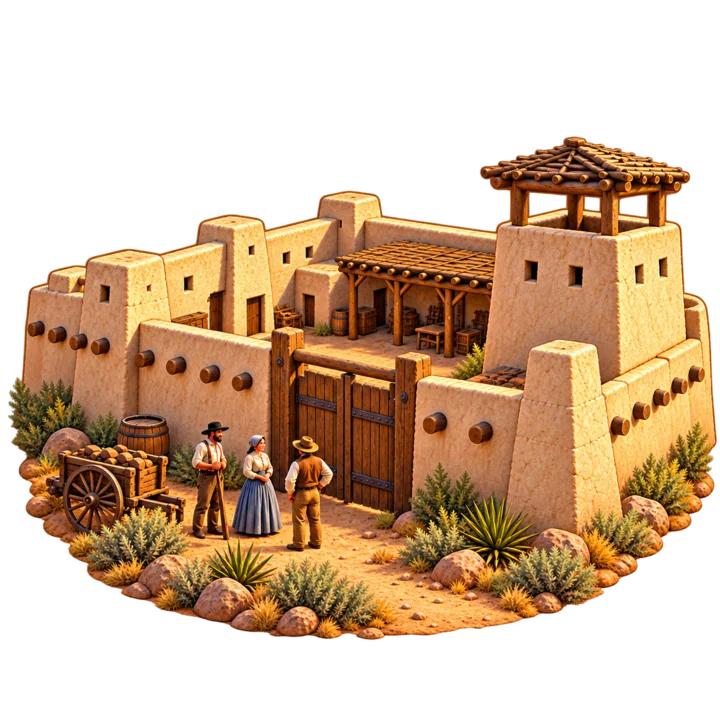
A surviving piece of the 1855 adobe fort built beside the Las Vegas Springs and a bridge between trail travel and the later city.
- Era
- 1855 settlement and later ranch history
- Public location
- 500 E. Washington Ave., Las Vegas
- In Plot Luck
- Physical Las Vegas discovery; trusted live Real GPS gate.
Is it worth visiting?
- Access / admission
- State historic park with a small museum and admission fee.
- Suggested time
- About 45–75 minutes for the remains and interpretive displays.
What to expect
One of the rare places where you can see physical remains from the valley’s early settlement era instead of just a plaque. The adobe fort and visitor exhibits make a strong companion to a broader downtown or Springs Preserve history itinerary.
Before you go
Check opening days before visiting and avoid touching or climbing preserved structures. The site includes sensitive artifacts and spaces that deserve careful treatment.
Check official visitor information and updates ↗
PlotLuck editorial visit rating (not a Google review score). Conditions, access and fees may change. Information checked October 17, 2026; verify with the venue before traveling.
The story
In June 1855, thirty Mormon settlers led by William Bringhurst arrived at the Las Vegas meadows and began building an adobe fort beside the spring-fed creek. Nevada State Parks describes the site as the first permanent non-Native settlement in the Las Vegas Valley. The location was practical: reliable water and grass had already made the area an important stopping place on routes through the desert.
The fort was substantial for a remote desert outpost. State Parks records four adobe walls about 150 feet long, two bastions and interior buildings. The settlers diverted creek water for agriculture and attempted to establish a lasting community. Crop problems, disappointing mining prospects and internal conflict eventually led the group to abandon the fort in 1857, only about two years after arriving.
The site did not disappear with the mission. It passed through several later uses, including a store and ranch. Helen Stewart ultimately sold the ranch and land that would become downtown Las Vegas to the railroad in 1902, linking this early oasis settlement to the railroad-driven townsite that emerged in 1905. Portions of the original fort survive, and the state historic park interprets the much longer story of the springs, Indigenous presence, trail travel, settlement, ranching and city formation.
Plot Luck includes the fort because it turns “Old Vegas” into something older than Fremont Street. A player can stand in modern downtown and be only a short distance from adobe remains tied to the valley’s nineteenth-century settlement history. That collision between the present map and an earlier Las Vegas is exactly the kind of location story the game is designed to surface.
Why it belongs in Plot Luck
The fort is a genuine physical remnant, not a recreated casino theme. It anchors the map’s history in the period before the railroad town and gives the downtown cluster a deeper timeline.
Plot Luck’s public history pages are separate from the reward authority. Reading this page does not claim a reward. The live game decides physical-visit eligibility from its existing trusted location rules.
Sources & further reading
Plot Luck summarizes these sources in its own words. External sites control their own current hours, access rules, pricing and content.