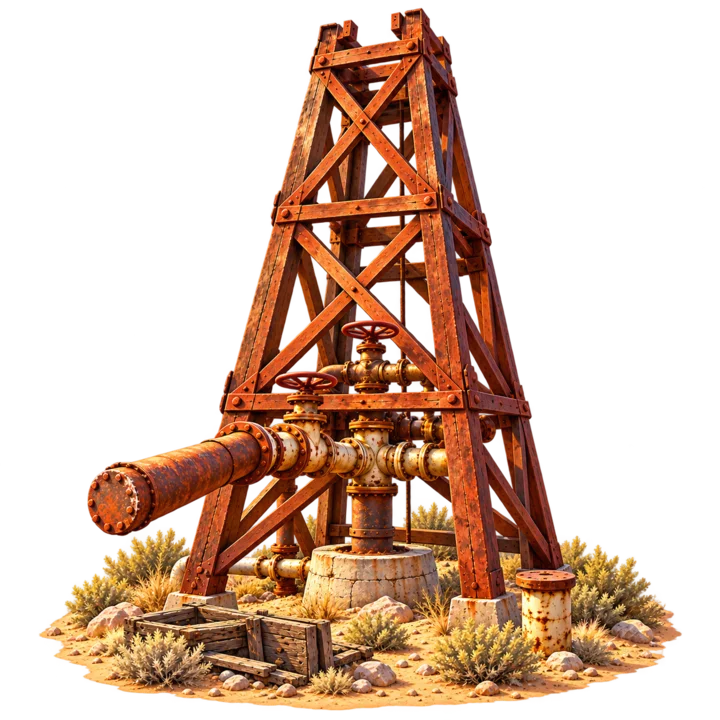
 Water before neon
The Springs Preserve
The desert water source that explains why Las Vegas existed here long before casinos defined its image.
Read the story → PLOT LUCK
Plot Luck is a location game, so the map should be more than a grid. These public pages document 10+ Las Vegas physical discoveries in the beta: water, civil rights, neon, music, food, invention and the strange local stories that make a city worth exploring.
Every entry below is tied to a real location used by the game and includes links to primary, official or established reporting sources. You do not need a Plot Luck account to read them.
Physical Las Vegas Easter eggs are visible as small image-only discoveries on the map. Their reward interaction unlocks only from trusted live Real GPS on the canonical Plot Luck cell. Ghost movement, saved locations, teleport-style movement and cached coordinates do not count as a physical visit. The public history pages here are always readable and do not require GPS.
Every story has an independent PlotLuck visitor guide: what is actually there, whether you can visit, how much time to allow, and safety notes. Ratings assess the on-site experience, not historical significance. ★★★★★ means worth a special trip; ★★★★☆ is a strong stop; ★★★☆☆ is a shorter stop if nearby. Unrated stories are history to read, not locations we recommend visiting—including private property.
Water before neonThe desert water source that explains why Las Vegas existed here long before casinos defined its image.
Read the story →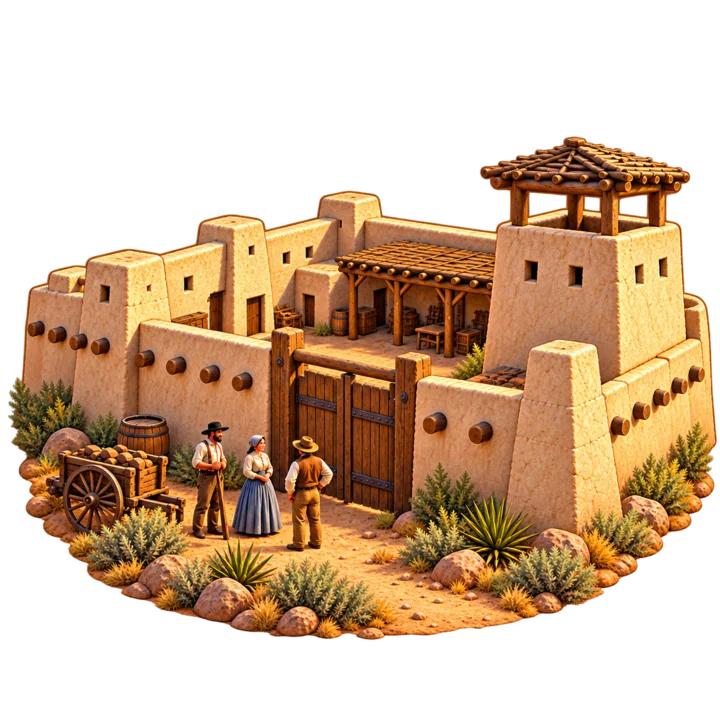 An adobe outpost beside the springs
A surviving piece of the 1855 adobe fort built beside the Las Vegas Springs and a bridge between trail travel and the later city.
Read the story → A Green Book-era Las Vegas refuge
A surviving Westside boarding house that accommodated Black travelers and entertainers when Strip hotels excluded them.
Read the story → A short life with a long civil-rights legacy
Las Vegas’s first major interracial hotel-casino operated only briefly, but its role in the city’s civil-rights history lasted far longer.
Read the story →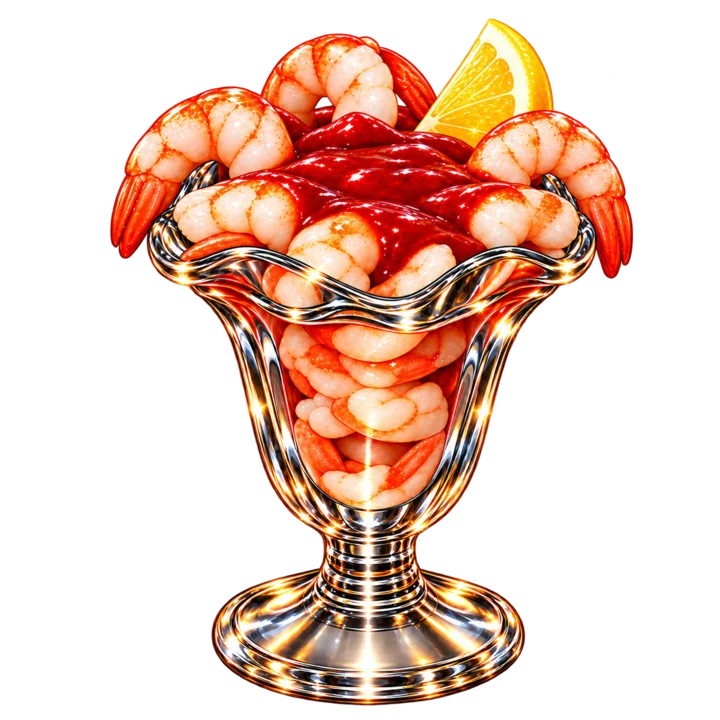 A tiny glass that became a Vegas icon
Golden Gate’s 50-cent shrimp cocktail became one of downtown Las Vegas’s most durable pieces of food history.
Read the story →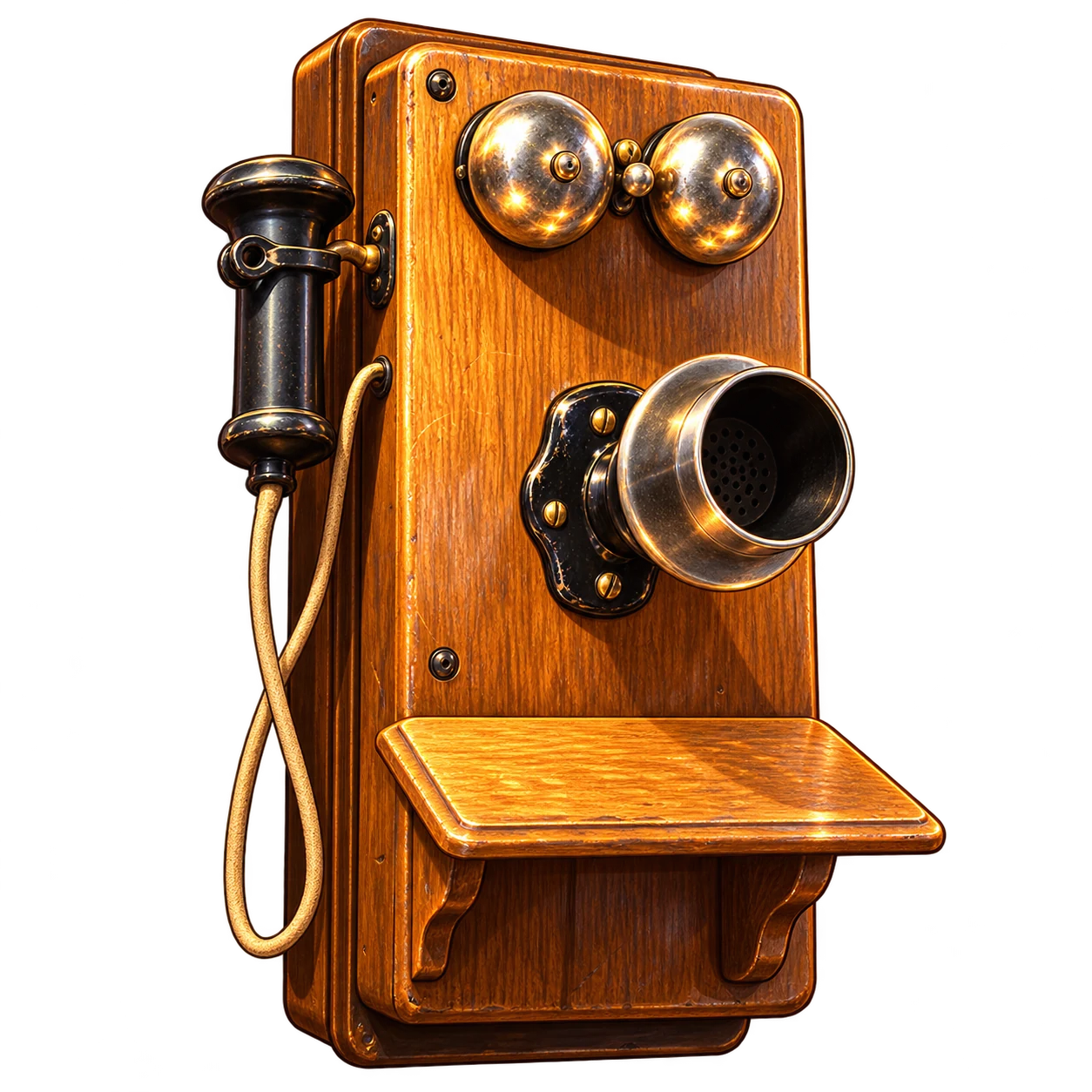 The first call: Ring 1
When early Las Vegas needed a connection to the world, telephone number 1 rang at the Hotel Nevada. Read the communications story, not a casino promotion.
Read the story → Historic Westside education and community
From an early integrated grammar school to a restored community landmark: the story of education and neighborhood life beyond the Strip.
Read the story →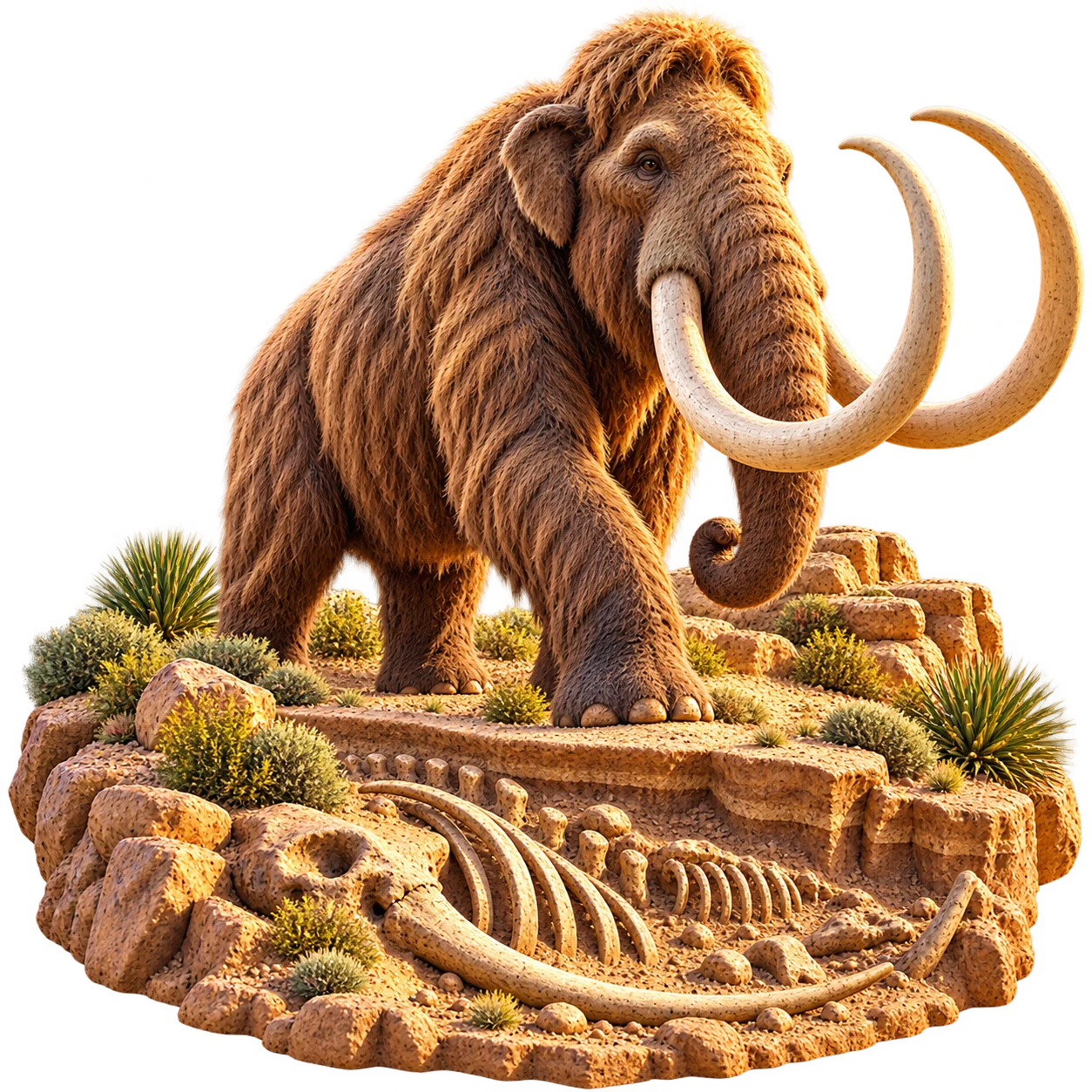 Prehistoric Las Vegas and the Big Dig
The valley once had marshes, mammoths and predators where neighborhoods and highways stand today.
Read the story → Henderson, industry and women at work
Women making metal for the war effort helped give Henderson its beginning.
Read the story →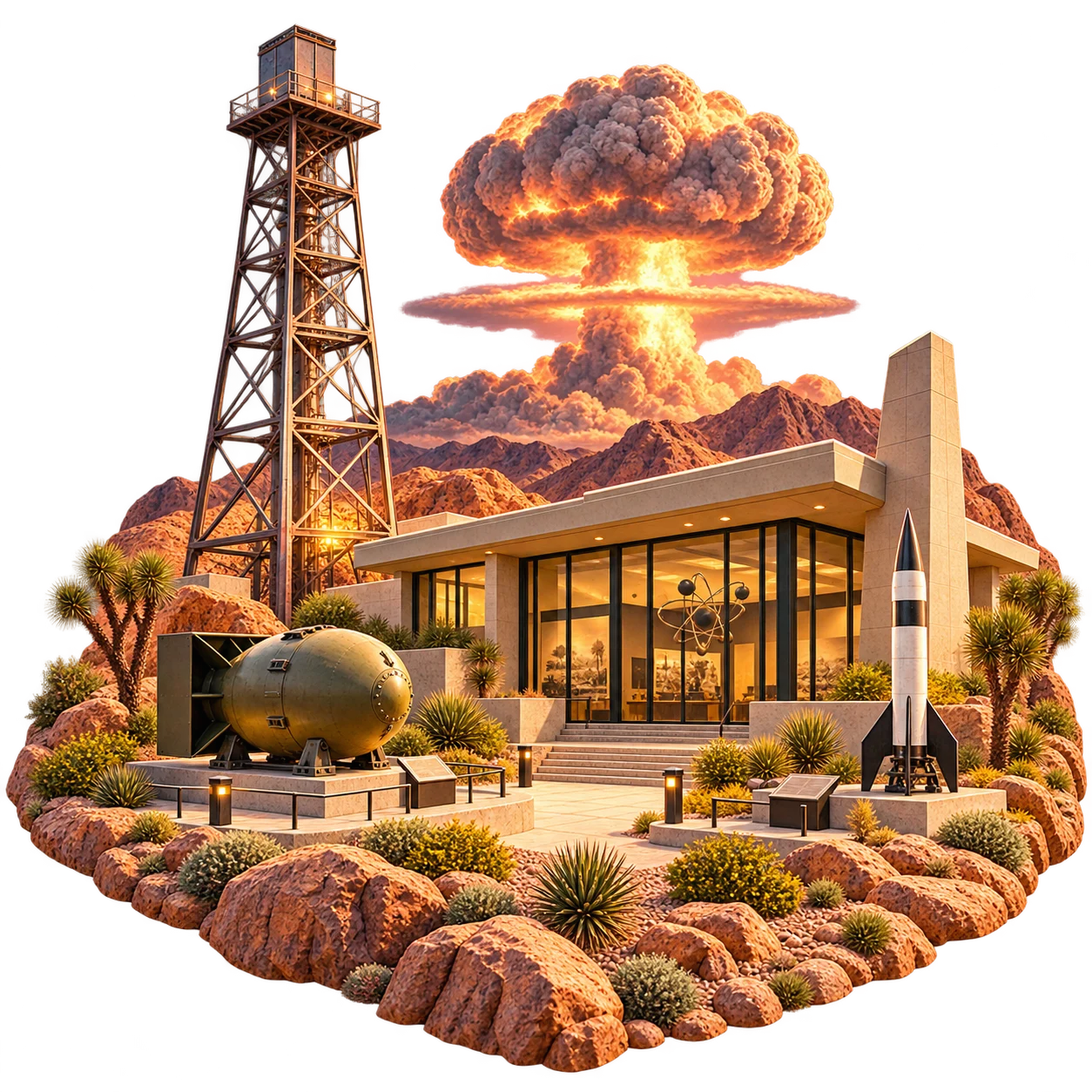 Nevada Test Site and the Atomic Age
A Las Vegas chapter of the Cold War still echoes far beyond Nevada.
Read the story →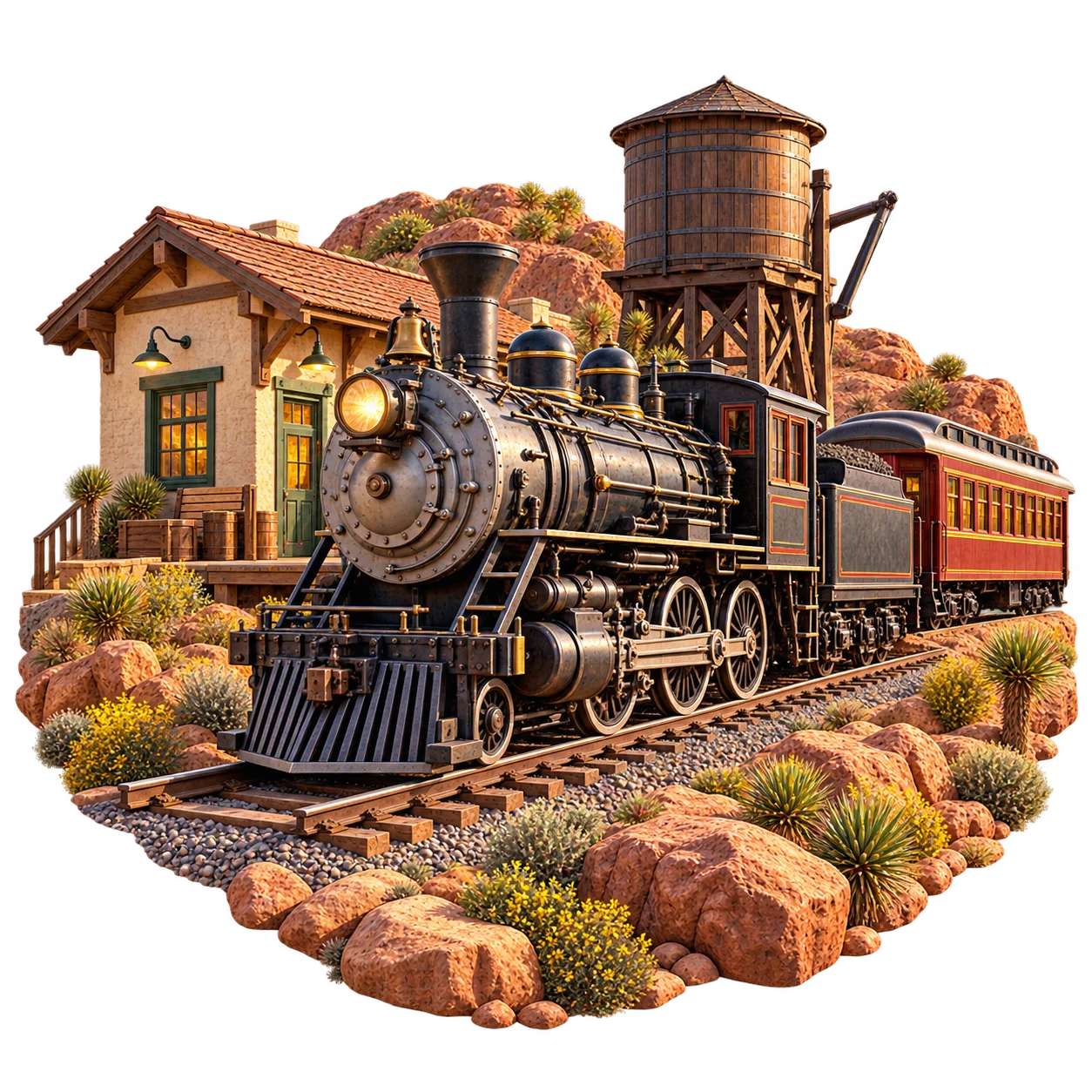 The rail connection that helped build Hoover Dam
The rails that carried the materials for Hoover Dam are still part of the valley’s living history.
Read the story →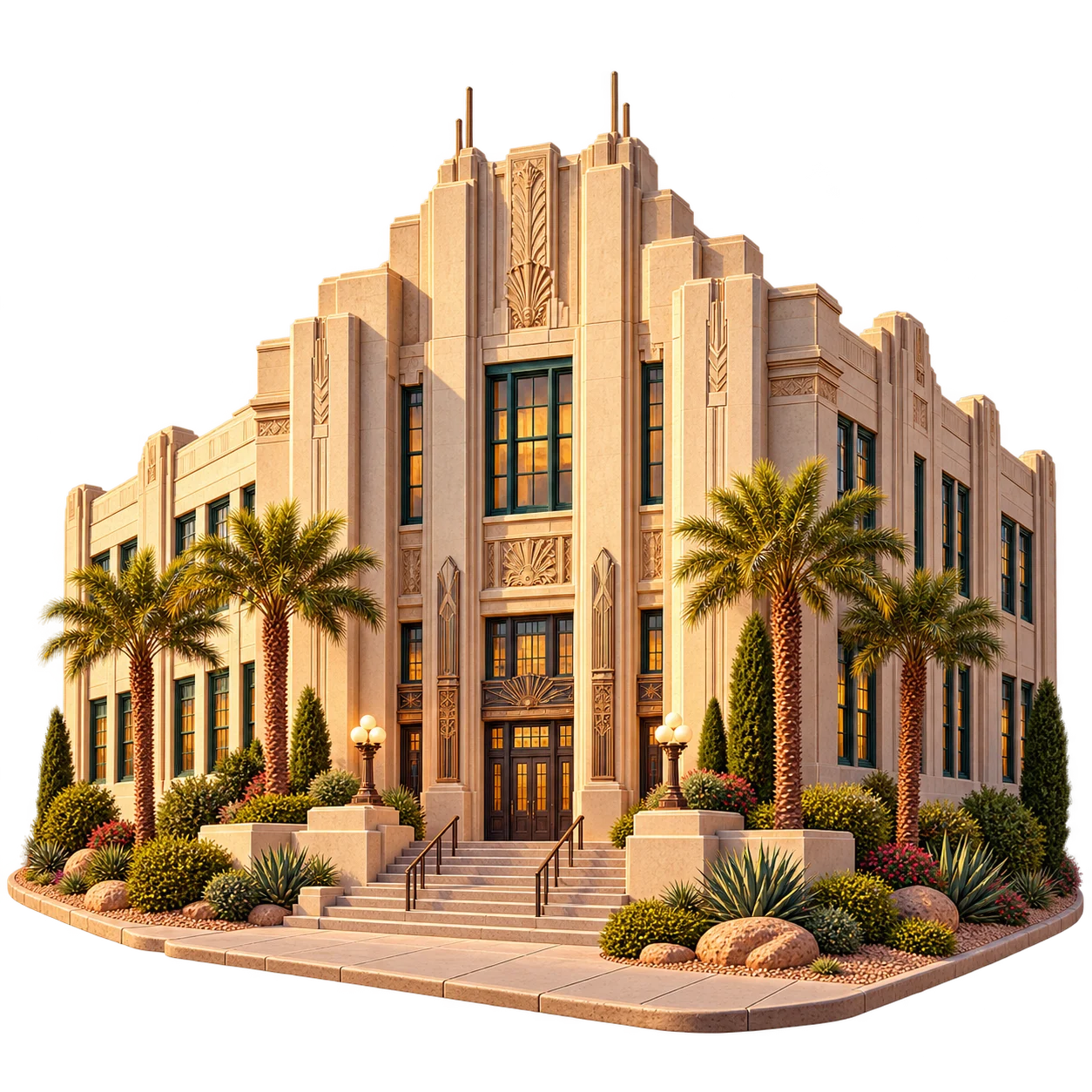 Las Vegas education and Art Deco architecture
A grand Art Deco school helped a small railroad town imagine a bigger future.
Read the story → North Las Vegas ranching and oasis history
Water, the early ranching frontier, a deadly 1884 gunfight, the Boulderado era and a living North Las Vegas historic park.
Read the story →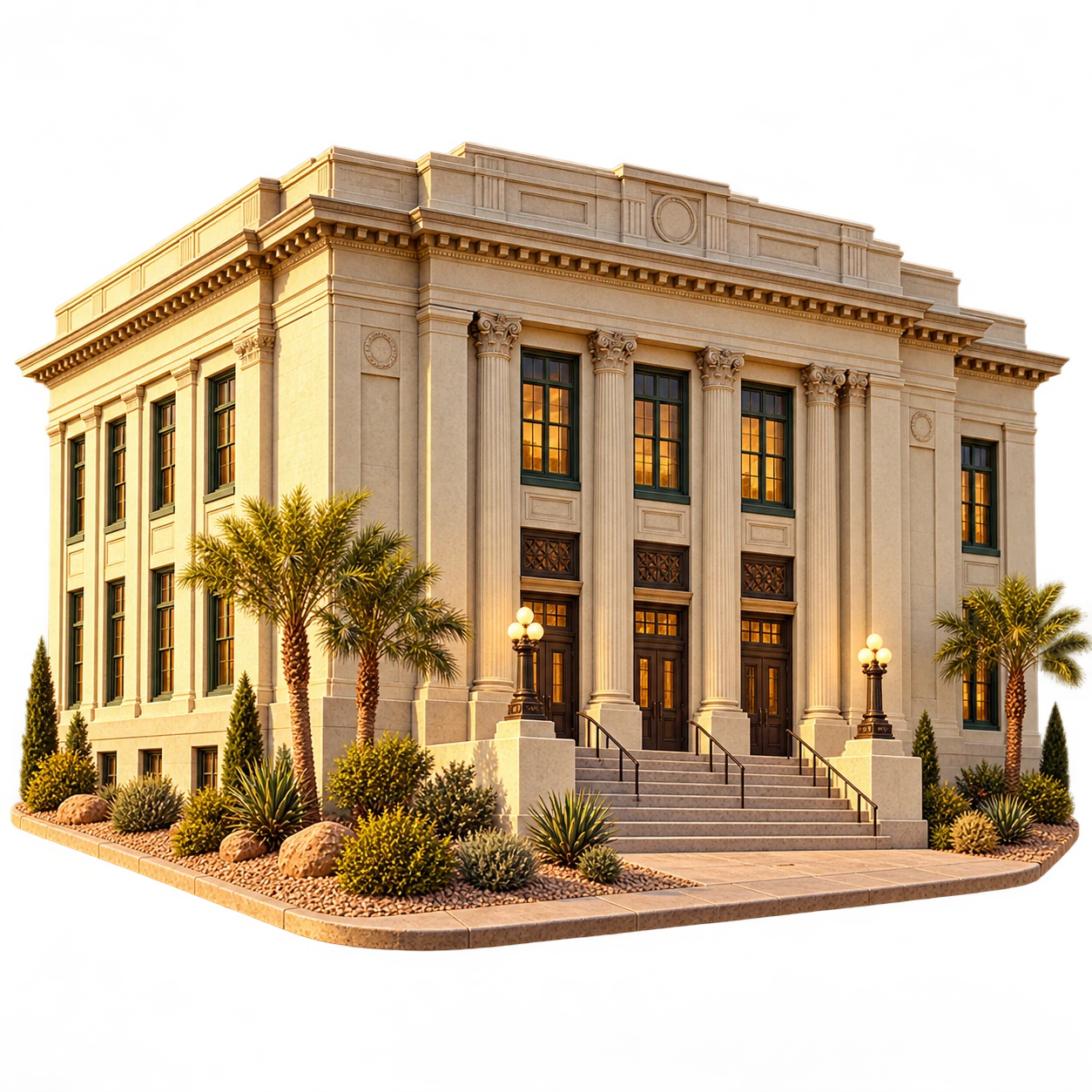 Downtown courthouse and Kefauver history
The downtown federal building that later became the Mob Museum, preserving the courthouse and the story of the 1950 Kefauver hearings.
Read the story →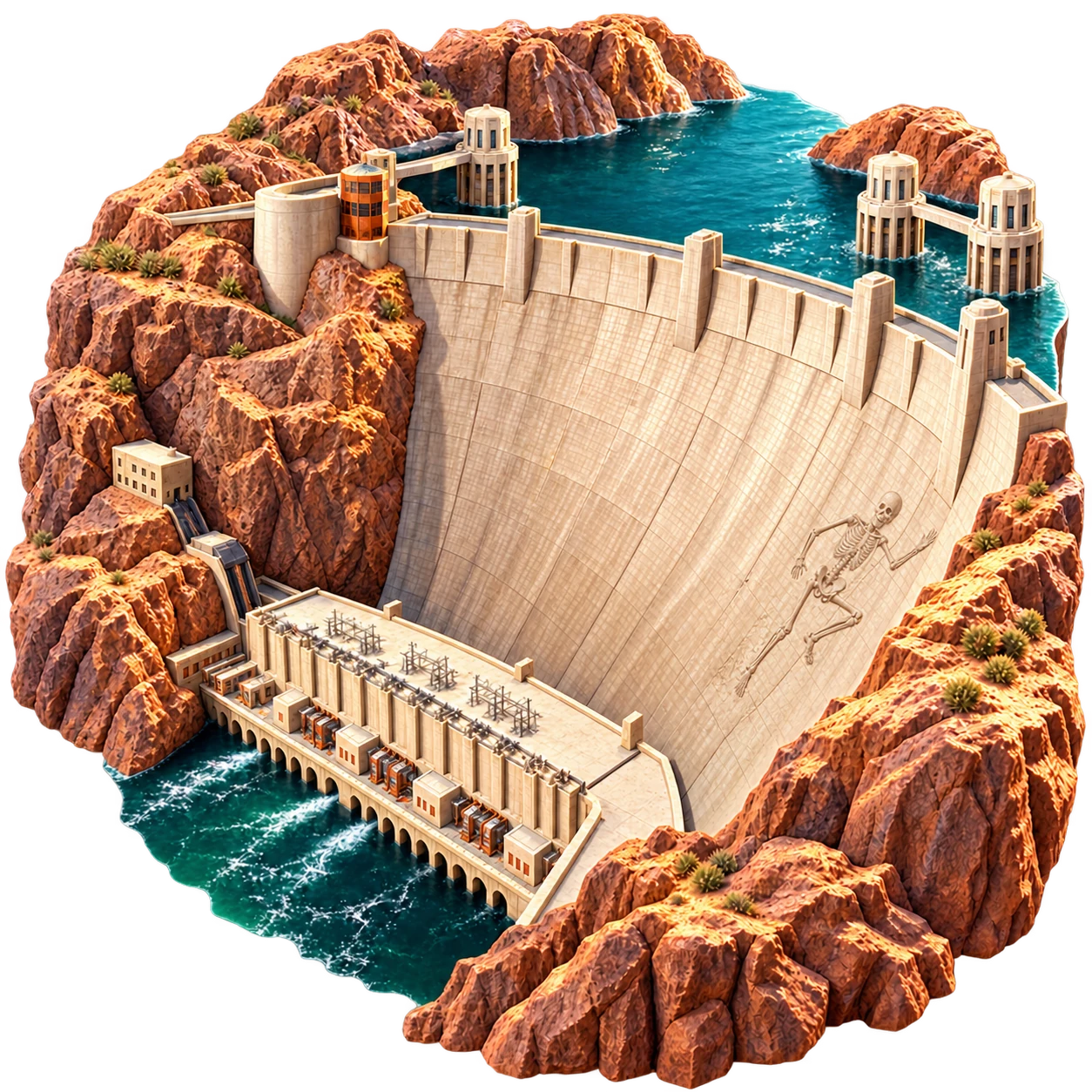 Depression-era engineering in Black Canyon
How a dam on the Colorado River helped change the Southwest, from Depression-era construction and Boulder City to Lake Mead and hydroelectric power.
Read the story → A music-history location in the ordinary street grid
The Las Vegas intersection associated with the 1996 shooting of Tupac Shakur is an example of history attached to an otherwise ordinary piece of street grid.
Read the story → Las Vegas invention, patents and a disputed claim
Inventor Gilbert Hyatt spent decades pursuing patent claims tied to early single-chip computer architecture, making Las Vegas part of a complicated technology-history dispute.
Read the story → A famous private estate, handled as a public-map story
Mike Tyson’s former Las Vegas estate became part of local pop culture through the champion’s time there and the tigers associated with the property.
Read the story →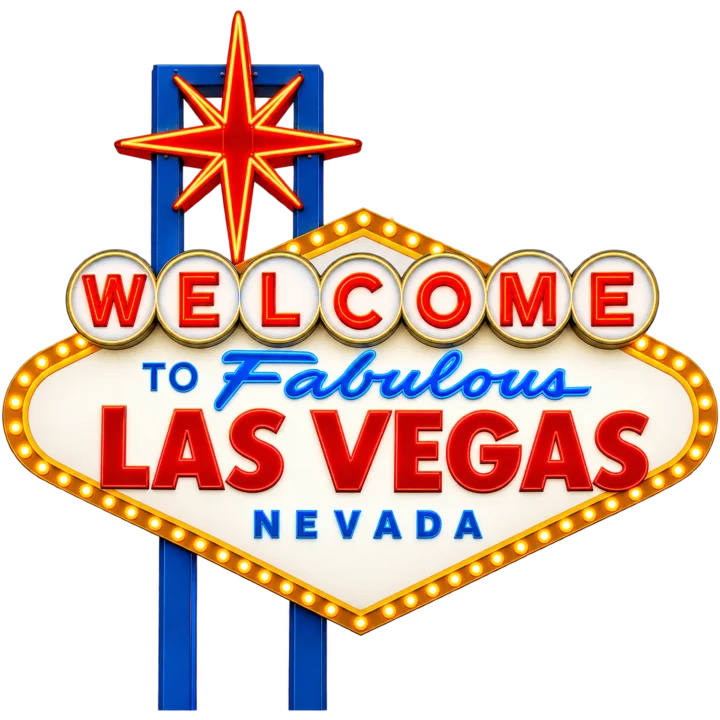 The roadside image that became shorthand for the city
Betty Willis’s 1959 sign turned a roadside greeting into one of the most recognizable visual symbols of Las Vegas.
Read the story →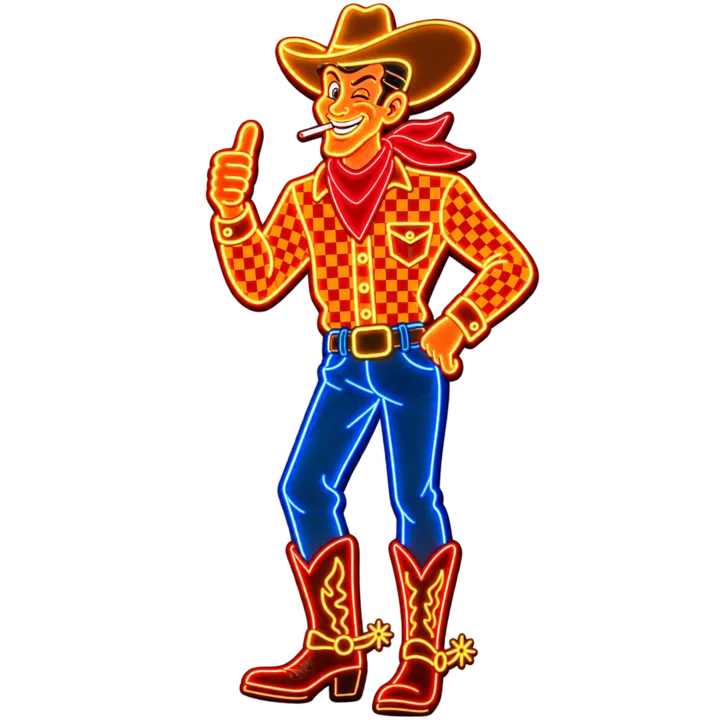 The neon cowboy still watching Fremont Street
The giant neon cowboy installed at the Pioneer Club in 1951 survived the casino and remains a symbol of downtown’s “Glitter Gulch” era.
Read the story →The first version of Plot Luck focused almost entirely on the playable map. That made sense for testing, but it hid a large part of the project from anyone who was not already inside the beta. The Vegas Stories collection turns part of that map work outward: each location gets enough context to stand on its own as a useful public page, while still explaining why the story belongs in the game.
The collection intentionally mixes famous landmarks with less obvious history. The Welcome sign and Vegas Vic are immediately recognizable. Harrison Guest House and the Moulin Rouge show the Historic Westside and the city’s segregation-era history. The Springs Preserve and Mormon Fort push the timeline back before the casino city. Golden Gate’s shrimp cocktail adds food history. Tupac’s Flamingo/Koval location adds music history. Gilbert Hyatt adds a disputed technology and patent story. Tiger Mansion tests how a location game can acknowledge famous private-property history without publishing or rewarding a private address.
These are not copied travel-directory listings and they are not “top ten attractions” filler. They are the source notes behind specific physical discoveries already designed into Plot Luck. As the map grows, this collection can grow with it.
Where possible, Plot Luck links to the institution that preserves the site: Springs Preserve, Nevada State Parks, the National Park Service, Harrison House, Golden Gate, Tiger Mansion and the Neon Museum. For events without a dedicated historical institution, the collection links to established reporting. Disputed claims are labeled as disputed rather than flattened into a simple fact.
Location safety matters too. A historical story does not automatically make a private home, closed property or roadway an appropriate game destination. The Moulin Rouge uses a public historical-marker area because the former hotel property is closed. The Tyson story uses nearby public main cross streets rather than a private estate address. The Tupac story warns players to remain in legal pedestrian areas around an active intersection.